The Hidden Truth About Institutional Deals and XLM Price Fluctuations
Recent developments regarding institutional deals are influencing the crypto market, but XLM prices are not reflecting this optimism. Now, more than ever, it’s essential to understand how these dynamics affect cryptocurrency investments and market stability. Understanding the relationship between market behaviors and price movements, particularly concerning institutional interest, can provide insights for investors looking to navigate XLM’s volatility.
Understanding Institutional Deals Impact on XLM Prices
Institutional interest can drive significant market changes; however, this does not always correlate with rising XLM prices. Recent reports highlight that even with prominent institutional strategies such as Societe Generale-FORGE’s issuance of the stablecoin EUR CoinVertible on the Stellar network, the expected price increase for XLM has not materialized. As noted by crypto analysts, the excitement over institutional deals often collides with the prevailing bearish sentiment in the market. Hence, despite the underlying fundamentals indicating growth, XLM’s price currently sits at $0.156, nearing critical support levels.
Significant institutional movements often create optimism among investors, but that enthusiasm can quickly fade if overall market sentiment remains weak. Insights from various cryptocurrency analyses show that while institutional deals might enhance the infrastructure and usability of cryptocurrencies like XLM, they do not guarantee immediate price appreciation. This disconnect underscores the complexity of cryptocurrency markets, where investor psychology can override fundamental metrics.
Current Challenges Facing XLM in the Crypto Market
XLM is battling ongoing challenges that permeate the broader cryptocurrency market, including bearish trends affecting its price. Other cryptocurrencies, such as Bitcoin and Ethereum, have also faced similar headwinds, showcasing a market-wide struggle. As investor sentiment shifts, many have grown increasingly pessimistic, resulting in heightened volatility and cautious trading behaviors. The negative sentiment has been particularly evident during recent market fluctuations, which exhibit a broader trend of caution among market participants.
The direct impact of this bearish trend on XLM prices is notable; many investors are hesitant to enter positions, fearing further declines. As analyzed, these dynamics complicate the relationship between institutional news and investor reactions, as negative trends often overshadow potential positives. Furthermore, critical resistance levels have introduced additional challenges as traders monitor price movements vigilantly, waiting for shifts to signal bullish momentum.
Key Economic Indicators Influencing XLM Prices
Key economic indicators play a crucial role in understanding XLM prices and the broader market. One important indicator is the Chaikin Money Flow (CMF), which measures the purchasing and selling pressure for digital assets. A negative CMF, as observed in recent trends, suggests a net outflow of capital, which can contribute to price declines rather than gains. This environment has led to a heightened focus on XLM’s trading volumes, especially as traders look for patterns that might suggest potential reversals.
According to analyst data, recent XLM trading volumes have not reflected confidence among traders. The trading environment remains cautious, with many investors waiting for tangible signals of recovery. These indicators can serve as a thermometer of market conditions, providing insights that go beyond superficial analyses of price movements and institutional news.
Relationship Between Market Sentiment and XLM Prices
Investor sentiment is pivotal in dictating price fluctuations, particularly for cryptocurrencies like XLM. The interplay between news events and actual price movements often highlights a disconnect, where positive news fails to translate into price gains. This phenomenon exemplifies how emotional responses, rather than fundamentals, can dictate market directions in volatile environments.
Media narratives also play a significant role in shaping market sentiment. Positive headlines regarding institutional interest might momentarily bolster enthusiasm but can just as quickly give way to skepticism as bearish trends continue. Thus, monitoring how these narratives evolve is essential for savvy investors aiming to predict price movements effectively.
Technical Analysis of XLM Price Movements
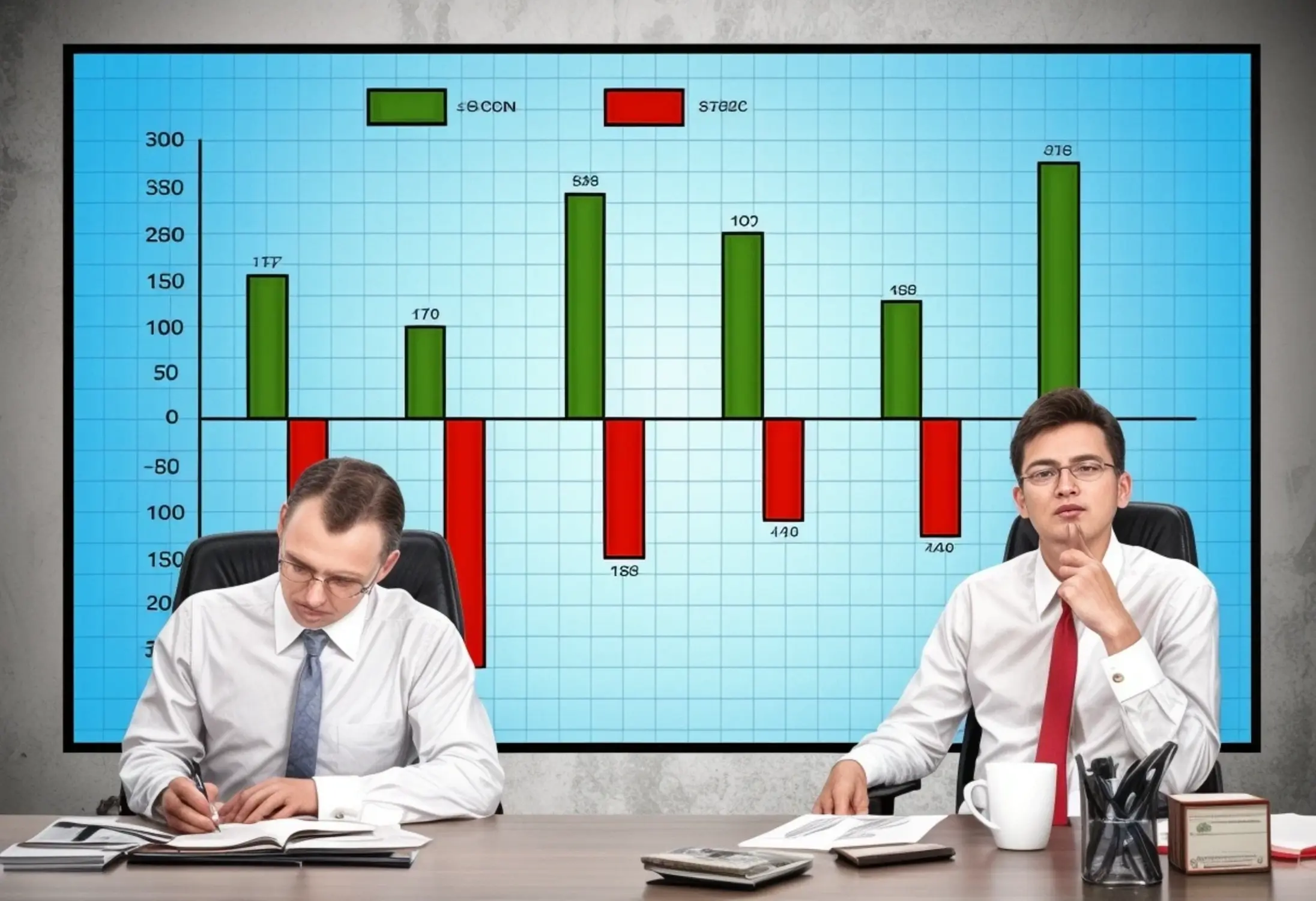
Technical analysis is a valuable tool for evaluating past XLM price behaviors. Observing historical patterns allows investors to identify trends and anticipate future movements based on statistical probabilities. Techniques such as trend-line analysis and moving averages can help dissect the price action more thoroughly.
Patterns, such as head and shoulders or bull flags, often signify shifting market dynamics. These tools equip investors with actionable insights, giving them opportunities to capitalize on potential price movements before they happen. Understanding these patterns can be crucial in a market characterized by rapid price shifts and increased trading activity.
Actionable Strategies for Investors in XLM
Given XLM’s current volatility, investors must adopt robust strategies to navigate the unpredictable landscape effectively. Employing risk management techniques—such as setting stop-loss orders and diversifying investments—can help mitigate potential losses in fluctuating markets. Moreover, utilizing comprehensive market analysis tools is essential for staying informed about new developments and updates affecting XLM prices.
Investors might also consider leveraging dollar-cost averaging as a strategy to reduce the impact of volatility over time. By investing a fixed amount regularly, investors can accumulate digital assets like XLM strategically, irrespective of current price levels.
Future Considerations for XLM in an Ever-Changing Market
Looking ahead, several future developments could impact XLM’s price trajectory as the crypto landscape evolves. Growing institutional adoption and technological advancements within the Stellar ecosystem can positively influence market sentiment over time. However, bearish trends and investor resistance need to be addressed to stabilize prices.
Long-term trends in the cryptocurrency space suggest that while institutional players may bolster infrastructure, price corrections may persist until broader market confidence returns. Continuous education and awareness of market conditions are crucial for investors seeking to navigate these complexities effectively. By maintaining informed positions, investors can better position themselves for prospective advantages in an ever-shifting market.
About The Author