How Iranian Merchants Are Using Bitcoin to Combat Economic Collapse
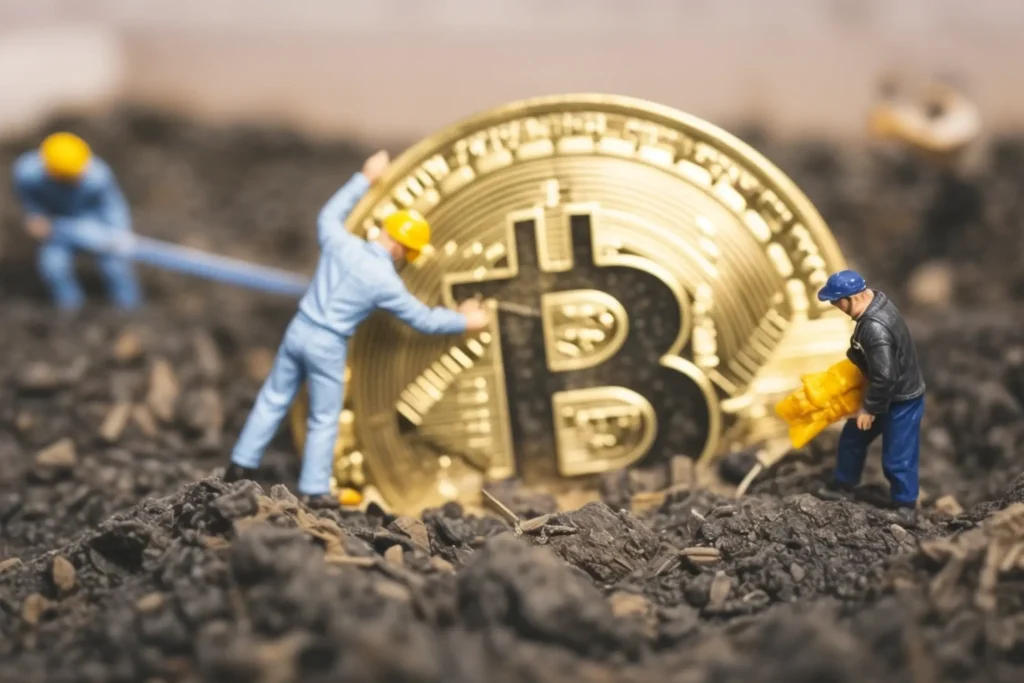
Amidst severe economic instability, Iranian merchants are turning to Bitcoin to bolster their financial resilience. The Bitcoin economy emerges as a potential lifeline, allowing merchants to navigate hyperinflation and currency devaluation. Understanding this trend is crucial as it highlights a unique intersection of innovation and survival under crisis.
Currency Crisis and Its Impact on Merchants
The Iranian Rial has experienced an unprecedented collapse against the US dollar, leading to dire economic conditions. As the Rial plunged to an all-time low of 1.42 million rials per dollar, many merchants found themselves grappling with daily operational challenges. Protests erupted nationwide, reflecting widespread grievances linked to economic mismanagement and currency depreciation. These protests were not only a response to rising prices but also a direct challenge to governmental policies that many saw as exacerbating the inflation crisis.
Merchants, who are often the first to feel the pinch of currency instability, now report significant challenges in pricing goods and managing costs. With inflation reportedly soaring to an alarming 52.6% year-over-year in December, merchants face razor-thin profit margins, forcing some to close shop temporarily or altogether as they cannot sustain operations amid such volatility.
Bitcoin Economy: A New Hope for Stability
In light of the Iranian Rial’s downward trajectory, many merchants are pivoting towards Bitcoin as a potential solution. The appeal of Bitcoin lies not only in its decentralized nature but also in its perceived value as a hedge against inflation. As hyperinflation continues to erode local purchasing power, Bitcoin presents an alternative, stable currency that merchants believe could protect their financial interests.
Adopting alternative currencies during a crisis is not a new phenomenon; historical examples show that in times of economic upheaval, people often turn to assets that retain value. In Iran, Bitcoin has emerged as a beacon of hope for those who seek stability. Reports suggest that many merchants are exploring its use for transactions, allowing them to circumvent the challenges posed by the Rial’s volatility. The shift towards a Bitcoin economy may foster new paths toward economic resilience.
Economic Turmoil Fuels Bitcoin Adoption
The economic turmoil in Iran has catalyzed rising interest in Bitcoin. The relentless inflation is not merely a statistic; it has tangible implications for everyday life. Food prices surged dramatically—reports indicate a staggering 72% increase—while essential medical items climbed by 50% from the previous year. Such spikes in living costs drive merchants to look for solutions beyond traditional fiat currencies.
Case studies illustrate how some merchants have successfully integrated Bitcoin transactions into their business models. For example, a local trader shared that accepting Bitcoin has allowed him to maintain stable prices for customers, shielding him from sudden fluctuations in Rial value. Such success stories underscore the growing sentiment that Bitcoin can serve as a viable trading currency amidst escalating economic pressures.
The Role of Bitcoin in Investment Strategies
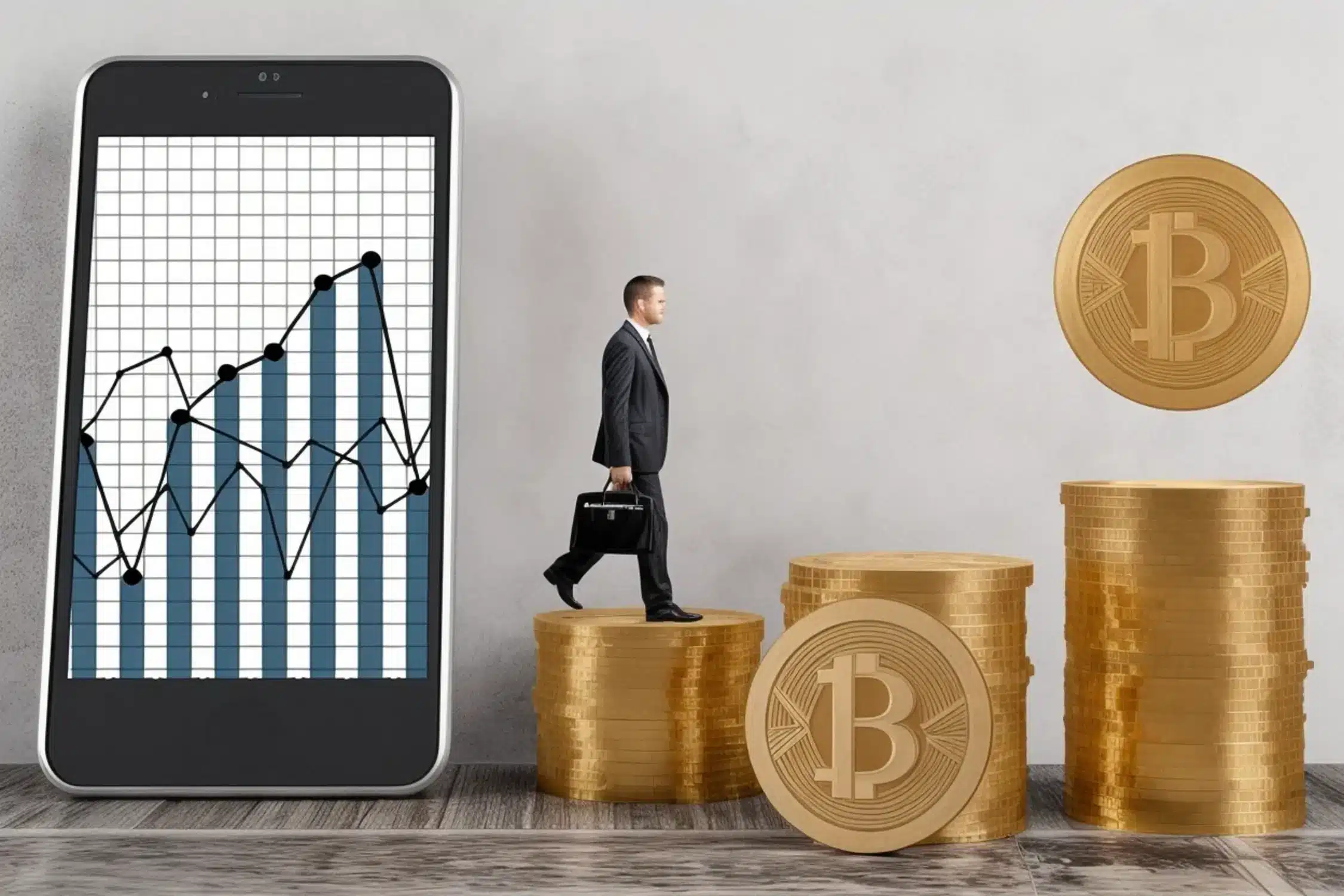
As uncertainty looms, Iranian merchants are re-evaluating their investment strategies. Investing in Bitcoin has become a consideration for many since traditional asset classes, like gold, are volatile and also influenced by currency fluctuations. For instance, Bitcoin offers potential for high returns, though risks are inherent, as evident from public debates among experts regarding its performance against gold and other investments. Notably, some investors like Peter Schiff have criticized Bitcoin’s stability compared to physical assets, raising questions about its long-term value as a reliable investment, especially as gold prices soar to new heights.
For those unfamiliar with Bitcoin, it is essential to approach investments cautiously. Beginners should start by understanding market dynamics and utilizing available resources to educate themselves about cryptocurrency. Developing a robust investment strategy involves careful consideration of both potential risks and rewards, particularly in a region experiencing significant economic instability.
Government Responses to Bitcoin Utilization
The Iranian government’s response to the burgeoning Bitcoin economy remains complex and multifaceted. Initially, the stance was cautious, often warning against the use of cryptocurrencies due to their volatility and potential for misuse. However, as Bitcoin usage gains traction among merchants, the government may find it difficult to ignore this trend.
Potential regulatory responses could vary widely—from tightening the grip on Bitcoin transactions to exploring frameworks that accommodate its use in the economy. Analysts speculate that future policies will likely focus on harnessing the benefits of Bitcoin while attempting to mitigate related risks, a balancing act that could shape the landscape of cryptocurrency in Iran.
Real-life Success Stories of Bitcoin Adoption
Several Iranian merchants report thriving by embracing Bitcoin as a transactional medium. One merchant, who transitioned from relying solely on the Rial, shared how Bitcoin transactions have dramatically improved his sales. Not only has it allowed him to stabilize pricing, but it has also attracted a larger customer base interested in using alternative currencies.
Testimonials reveal that merchants now view Bitcoin not just as an investment but as a necessary tool for conducting daily business. These success stories highlight a crucial shift in consumer behavior and merchant strategies, suggesting a community level impact that extends beyond individual financial health.
Steps for Individuals to Embrace Bitcoin Solutions
For merchants in Iran interested in adopting Bitcoin, several practical steps can guide the transition. Firstly, identifying reliable platforms for Bitcoin transactions is crucial. Numerous wallets and exchanges cater to the Iranian market, providing users with the means to convert, store, and transact in Bitcoin efficiently.
Additionally, merchants should consider joining local groups or networks that facilitate cryptocurrency exchanges. Utilizing community knowledge can provide invaluable insights and support as individuals navigate the Bitcoin landscape. This collective action may further stabilize the economy and promote resilience amid challenging circumstances.
In conclusion, as Iranian merchants increasingly adopt Bitcoin in response to economic crises, they are not just embracing a new currency. They are actively charting a path towards economic autonomy and resilience, showcasing how innovation can provide solutions in the face of adversity.
About The Author