Why Ethereum Layer 2 Solutions Are Revolutionizing Crypto Fees Forever

The rise of Ethereum Layer 2 solutions is transforming the crypto landscape by significantly reducing transaction fees and enhancing user experience. Understanding their impact is crucial right now as Ethereum continues to evolve and adjust its valuation in this dynamic environment.
The Significance of Ethereum Layer 2 Innovations
Ethereum Layer 2 solutions fundamentally increase the usability of the Ethereum network. These solutions operate on top of the Ethereum mainnet, enabling faster processing and significantly lower transaction fees. According to recent reports, Layer 2 networks like Arbitrum and Optimism are capable of handling large transaction volumes that the Ethereum mainnet often struggles with during peak periods.
By diverting traffic from the mainnet, Layer 2 solutions allow developers to create applications that cater to a growing user base without the constraints of high fees. This shift not only fosters innovation but also encourages a wider adoption of decentralized applications (dApps). As a result, users can benefit from low-cost transactions, which is increasingly crucial in the competitive blockchain landscape.
User and Developer Benefits
The implications for users and developers in the Ethereum ecosystem are profound. Users enjoy faster transaction times and lower costs, which enhances their overall experience. Developers, on the other hand, can focus on building more robust applications without worrying about fluctuating gas fees that have historically plagued Ethereum.
Complications Arising from Reduced Crypto Fees
While lower transaction fees present many advantages, they also complicate the valuation of ETH. As fees decrease, the economic model of Ethereum changes. Reduced fees mean less ETH being burned during transactions, raising concerns about the overall deflationary nature of the asset. This situation challenges the perceived value of ETH, especially as it falls behind Bitcoin in market cycles, impacting long-term investment strategies.
Additionally, there may be potential challenges for the Ethereum mainnet itself as significant traffic shifts to Layer 2 solutions. As transaction value migrates from the mainnet, a lack of activity could lead to an underwhelming revenue stream for Ethereum, affecting its stability and growth. Users must also consider that this migration may result in a less direct connection to the Ethereum ecosystem, which can create uncertainty in its future valuation.
Current Trends in Layer 2 Adoption
The growth in adoption of Layer 2 solutions, such as Arbitrum and Optimism, is notable. Recent statistics indicate that these networks are processing nearly two million transactions daily, highlighting a clear user preference for options that minimize costs. As users increasingly turn to less expensive transaction methods, Ethereum’s adaptability becomes a critical factor in its long-term success.
Statistics reveal that average fees have fallen to approximately $0.17—an impressive feat compared to what might have seemed unthinkable in earlier market cycles. This shift not only affects individual users but also contributes to Ethereum’s overall market dynamics, making it essential for stakeholders to monitor these developments actively.
Implications for Blockchain Technology Landscape
Ethereum Layer 2 solutions have ramifications beyond their native ecosystem, influencing the broader blockchain technology landscape. As more users flock to Layer 2 for efficient transactions, competitors like Solana gain attention due to their inherent design for minimal fees. This competitive environment may inspire other blockchain platforms to innovate, ultimately leading to a diverse range of fee structures tailored to meet user demands.
The significance of this competition is considerable. Layer 2 solutions push Ethereum to evolve, fostering an ecosystem that offers viable alternatives and maintaining its status as a foundational entity within the crypto sphere.
The Future of ETH Valuation in a Layer 2 World
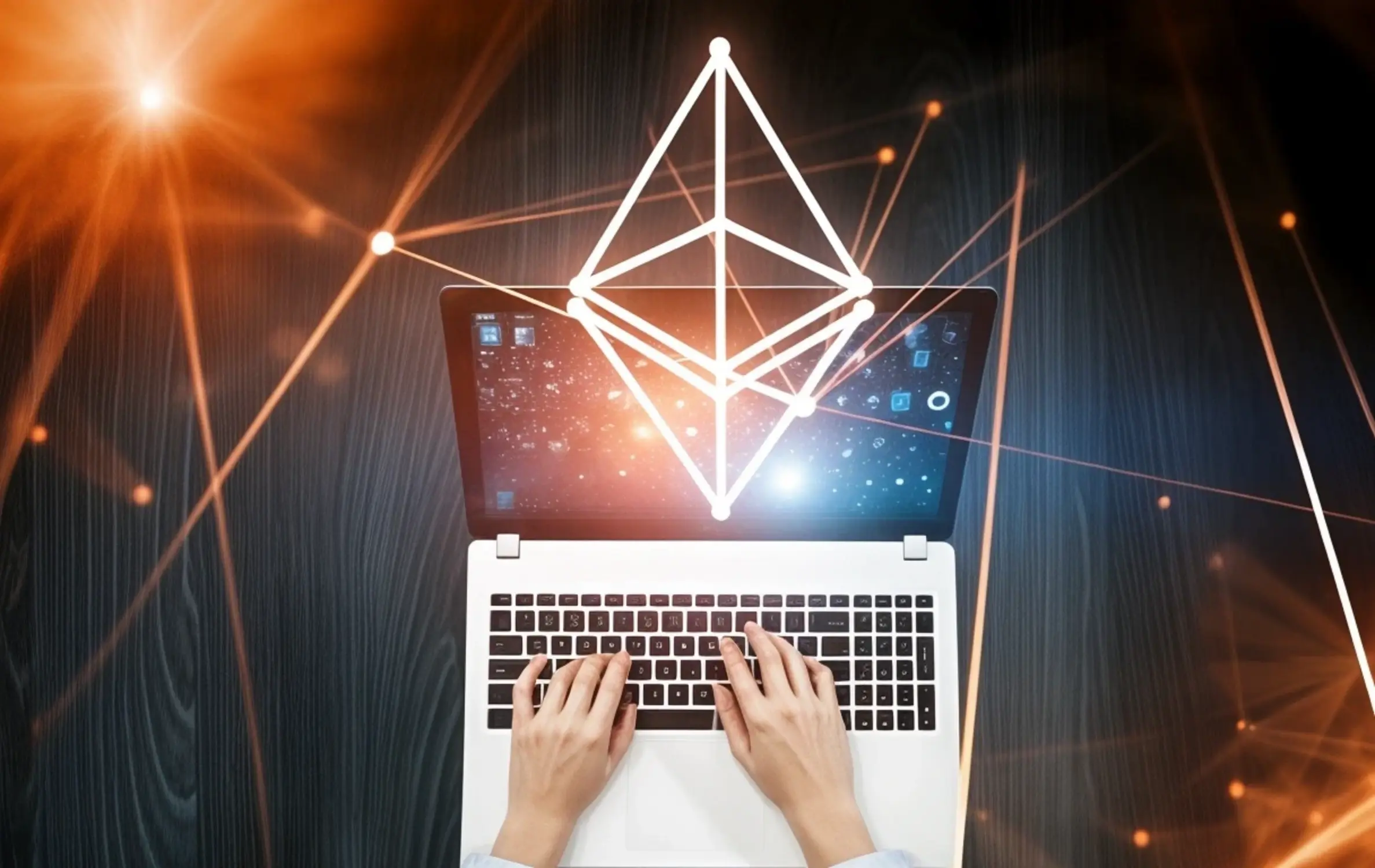
Looking ahead, the long-term implications of Layer 2 adoption on ETH valuation are considerable. While reduced transaction fees may attract more users, they could also reshape investor sentiment towards Ethereum. By transitioning from a deflationary to a mildly inflationary asset, Ethereum’s valuation model faces significant disruption, altering how investors perceive its status in the crypto market.
As cryptocurrency markets continue to mature, the way Ethereum is valued may become increasingly complex. Stakeholders must remain agile, adapting to these changes while keeping an eye on overarching trends shaping the industry.
Actionable Strategies for Users and Investors
To leverage Layer 2 solutions effectively, users should consider several strategies:
– Track Market Trends: Utilize tools that provide insights into transaction costs across Layer 2 networks.
– Diversify Usage: Identify dApps that are optimizing fees through Layer 2, and engage with them regularly.
– Invest in Knowledge: Keeping abreast of developments in Layer 2 technologies can guide smarter investment decisions.
Resources like forums, news sites, and analytical tools have become invaluable for navigating the evolving Ethereum landscape. A proactive approach can empower both users and investors to maximize their potential within this rapidly shifting environment.
By embracing the benefits and understanding the nuances of Ethereum Layer 2 solutions, participants can position themselves effectively in this revolutionary era of blockchain technology.
About The Author